

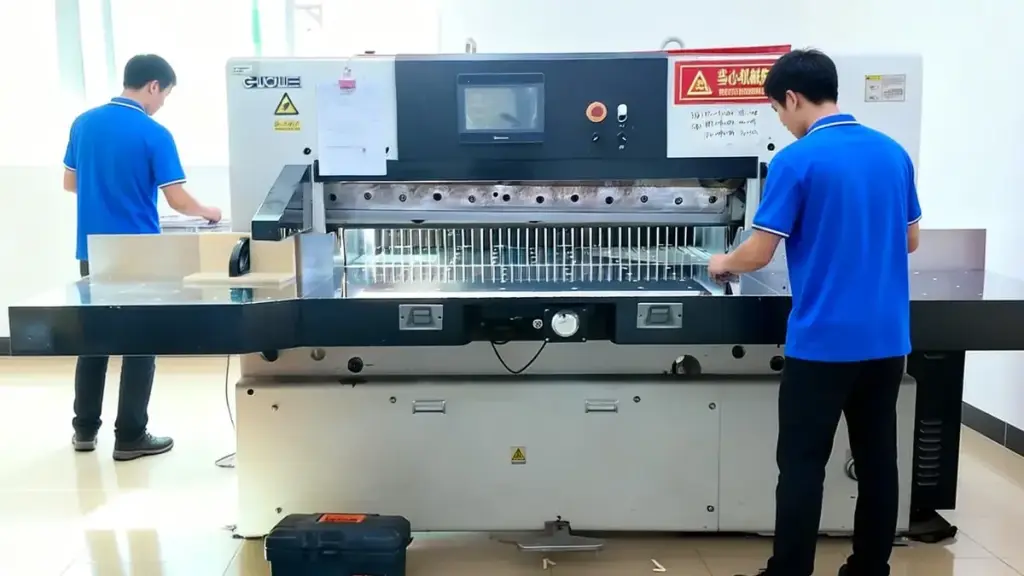
Custom Trading Card Manufacturer: 7 Checks
Seven checks that separate a real trading card factory from a trading company: press ownership, card stock, finishing, proofing, MOQ, compliance and delivery records.
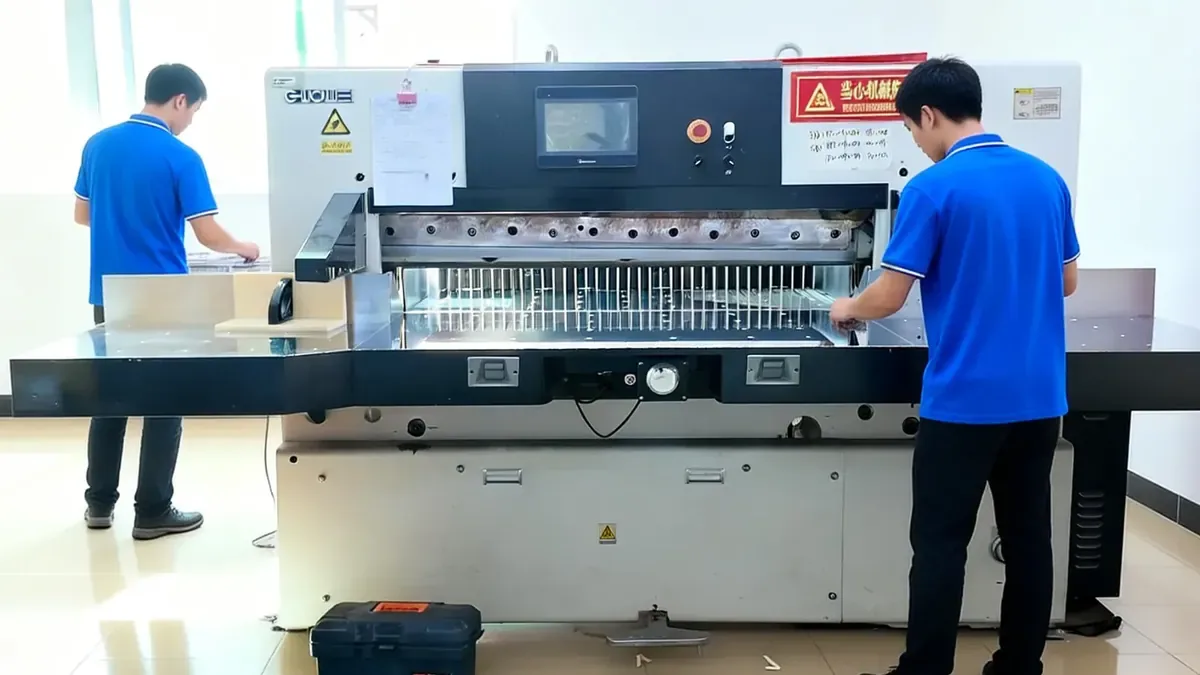
Practical buying guides for importers, publishers and brand owners planning a custom card project. This custom card buying guide page collects the guides below.
Seven checks that separate a real trading card factory from a trading company: press ownership, card stock, finishing, proofing, MOQ, compliance and delivery records.
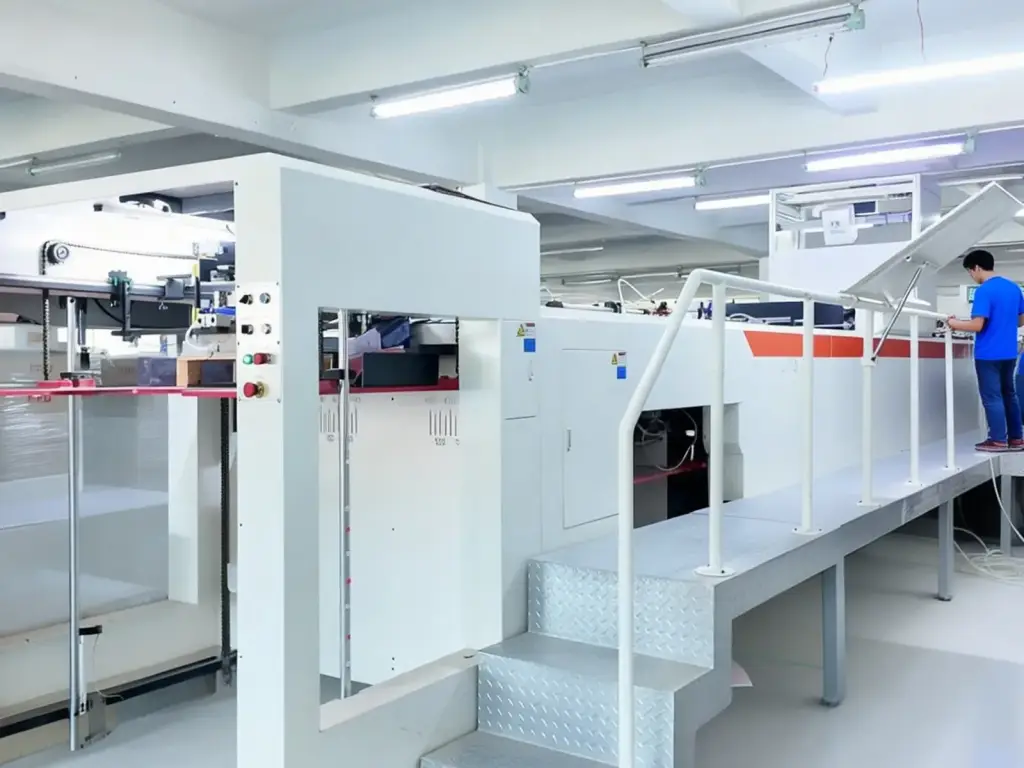
What decides the finished feel of a tarot deck: the 70×120mm format, 350gsm black core, gilded edges, guidebook binding and the box that holds them.
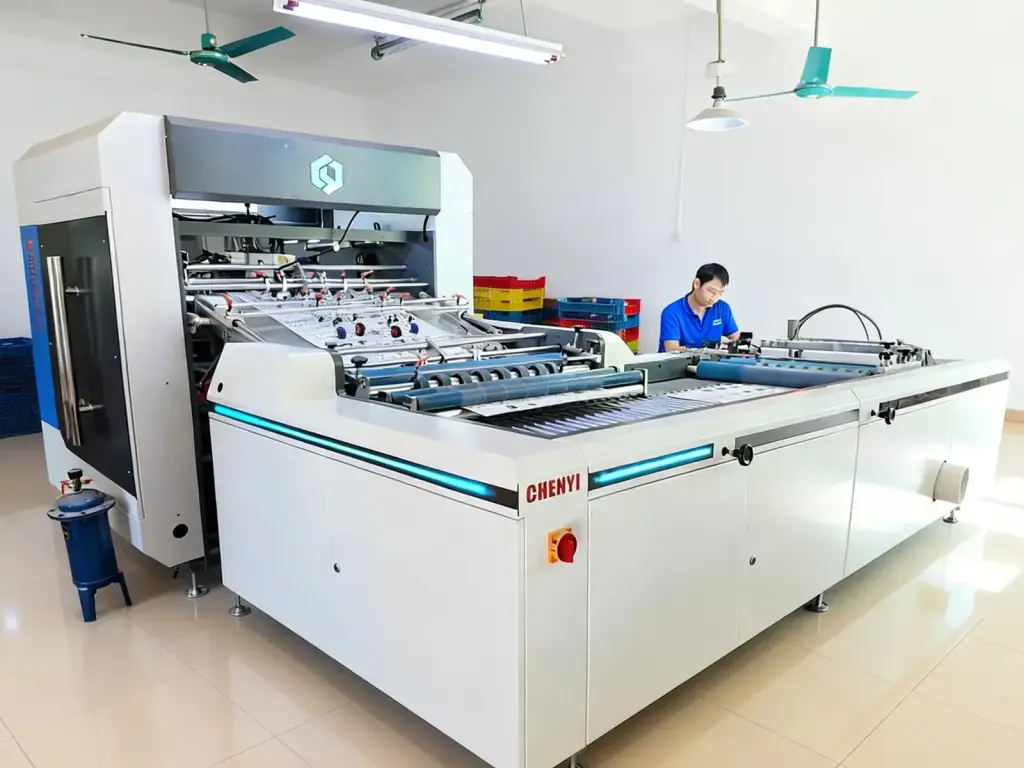
Oracle decks live or die on feel and packaging. Four decisions decide both: card size, stock, box format and the guidebook that ships with it.
Why custom card MOQ sits at 500 decks, what changes below it, and which milestones actually move a 15–20 day production schedule.
Buying guides for importers, publishers and brand owners planning a custom card project: how to compare factories, what a specification needs, and where quotations go wrong.
A custom card buying guide starts with the specification, not the price. Stock, size, finish, box and quantity decide most of the cost, so a quote that arrives without those five items is a guess.
Card count, finished size, stock and finish, box format, quantity and destination. Five lines are enough to price a deck accurately.
Line by line, against the same specification. A 10% lower price usually differs on stock, film thickness or carton quality.
A box die approved after the deck proof, artwork revised after plates, or a sample printed on a different stock from the run.
Before asking for a price, write down the card count, the finished size, the stock and finish, the box format, the quantity and the destination port. A supplier can price that brief in a day. The same brief also becomes the inspection checklist, so the deck is checked against the document you approved rather than against memory.
Ask for the quotation to be itemised: cards, printing, finishing, box, packing and freight separately. Itemised quotes are comparable; a single number is not, because it hides which stock and which film are assumed.
A brief fails when one of the six items is missing. The most common gap is the box: buyers describe the deck accurately and then pick a box from a photo, which forces a new die and a new quotation. The second gap is quantity, because the price at 500 and the price at 5,000 are different projects with different packing.
A sample proves the stock, the film and the cut, and nothing else. It does not prove the collation, the box fit or the carton strength, because those are built after the deck is approved. Ask for a packed sample on the first order, not just a flat deck, and keep it as the reference for the reprint.